
- ΕΞΥΠΗΡΕΤΗΣΗ ΠΕΛΑΤΩΝ : 2299310250 - 210 325 0731
Intel S1700 CORE i5 13600KF TRAY GEN13
Κωδικός: 1280548
Διαθεσιμότητα: 7-9 ημέρες
271.19 €
Intel Core i5-13600KF, Intel® Core™ i5, LGA 1700, Tray, Intel, i5-13600KF, 64-bit
Intel Core i5-13600KF. Processor family: Intel® Core™ i5, Processor socket: LGA 1700, Package type: Tray. Memory channels: Dual-channel, Maximum internal memory supported by processor: 192 GB, Memory types supported by processor: DDR4-SDRAM, DDR5-SDRAM. Market segment: Desktop, Use conditions: PC/Client/Tablet, PCI Express slots version: 5.0, 4.0. Processor package size: 45 x 37.5 mm. L2 cache: 20480 KB, Maximum internal memory: 192 GB
Intel® Virtualization Technology for Directed I/O (VT-d)
Intel® Virtualization Technology for Directed I/O (VT-d) continues from the existing support for IA-32 (VT-x) and Itanium® processor (VT-i) virtualization adding new support for I/O-device virtualization. Intel VT-d can help end users improve security and reliability of the systems and also improve performance of I/O devices in virtualized environments.
Intel® Virtualization Technology (VT-x)
Intel® Virtualization Technology (VT-x) allows one hardware platform to function as multiple “virtual” platforms. It offers improved manageability by limiting downtime and maintaining productivity by isolating computing activities into separate partitions.
Intel® 64
Intel® 64 architecture delivers 64-bit computing on server, workstation, desktop and mobile platforms when combined with supporting software.¹ Intel 64 architecture improves performance by allowing systems to address more than 4 GB of both virtual and physical memory.
Cache
CPU Cache is an area of fast memory located on the processor. Intel® Smart Cache refers to the architecture that allows all cores to dynamically share access to the last level cache.
Intel® AES New Instructions
Intel® AES New Instructions (Intel® AES-NI) are a set of instructions that enable fast and secure data encryption and decryption. AES-NI are valuable for a wide range of cryptographic applications, for example: applications that perform bulk encryption/decryption, authentication, random number generation, and authenticated encryption.
Idle States
Idle States (C-states) are used to save power when the processor is idle. C0 is the operational state, meaning that the CPU is doing useful work. C1 is the first idle state, C2 the second, and so on, where more power saving actions are taken for numerically higher C-states.
Intel® Turbo Boost Technology
Intel® Turbo Boost Technology dynamically increases the processor's frequency as needed by taking advantage of thermal and power headroom to give you a burst of speed when you need it, and increased energy efficiency when you don’t.
Max Turbo Frequency
Max Turbo Frequency is the maximum single-core frequency at which the processor is capable of operating using Intel® Turbo Boost Technology and, if present, Intel® Turbo Boost Max Technology 3.0 and Intel® Thermal Velocity Boost. Frequency is typically measured in gigahertz (GHz), or billion cycles per second.
Execute Disable Bit
Execute Disable Bit is a hardware-based security feature that can reduce exposure to viruses and malicious-code attacks and prevent harmful software from executing and propagating on the server or network.
Intel® Hyper-Threading Technology
Intel® Hyper-Threading Technology (Intel® HT Technology) delivers two processing threads per physical core. Highly threaded applications can get more work done in parallel, completing tasks sooner.
Instruction Set
An instruction set refers to the basic set of commands and instructions that a microprocessor understands and can carry out. The value shown represents which Intel’s instruction set this processor is compatible with.
Intel® VT-x with Extended Page Tables (EPT)
Intel® VT-x with Extended Page Tables (EPT), also known as Second Level Address Translation (SLAT), provides acceleration for memory intensive virtualized applications. Extended Page Tables in Intel® Virtualization Technology platforms reduces the memory and power overhead costs and increases battery life through hardware optimization of page table management.
Enhanced Intel SpeedStep® Technology
Enhanced Intel SpeedStep® Technology is an advanced means of enabling high performance while meeting the power-conservation needs of mobile systems. Conventional Intel SpeedStep® Technology switches both voltage and frequency in tandem between high and low levels in response to processor load. Enhanced Intel SpeedStep® Technology builds upon that architecture using design strategies such as Separation between Voltage and Frequency Changes, and Clock Partitioning and Recovery.
Secure Key
Intel® Secure Key consists of a digital random number generator that creates truly random numbers to strengthen encryption algorithms.
Intel® Speed Shift Technology
Intel® Speed Shift Technology uses hardware-controlled P-states to deliver dramatically quicker responsiveness with single-threaded, transient (short duration) workloads, such as web browsing, by allowing the processor to more quickly select its best operating frequency and voltage for optimal performance and power efficiency.
Intel® Deep Learning Boost (Intel® DL Boost) on CPU
A new set of embedded processor technologies designed to accelerate AI deep learning use cases. It extends Intel AVX-512 with a new Vector Neural Network Instruction (VNNI) that significantly increases deep learning inference performance over previous generations.
Instruction Set Extensions
Instruction Set Extensions are additional instructions which can increase performance when the same operations are performed on multiple data objects. These can include SSE (Streaming SIMD Extensions) and AVX (Advanced Vector Extensions).
Thermal Monitoring Technologies
Thermal Monitoring Technologies protect the processor package and the system from thermal failure through several thermal management features. An on-die Digital Thermal Sensor (DTS) detects the core's temperature, and the thermal management features reduce package power consumption and thereby temperature when required in order to remain within normal operating limits.
Intel® Volume Management Device (VMD)
Intel® Volume Management Device (VMD) provides a common, robust method of hot plug and LED management for NVMe-based solid state drives.
Intel® Gaussian & Neural Accelerator
Intel® Gaussian & Neural Accelerator (GNA) is an ultra-low power accelerator block designed to run audio and speed-centric AI workloads. Intel® GNA is designed to run audio based neural networks at ultra-low power, while simultaneously relieving the CPU of this workload.
Mode-based Execute Control (MBEC)
Mode-based Execute Control can more reliably verify and enforce the integrity of kernel level code.
Intel® Boot Guard
Intel® Device Protection Technology with Boot Guard helps protect the system’s pre-OS environment from viruses and malicious software attacks.
Intel® Control-Flow Enforcement Technology
CET - Intel Control-flow Enforcement Technology (CET) helps protect against the misuse of legitimate code snippets through return-oriented programming (ROP) control-flow hijacking attacks.
Processor
Processor manufacturer: Intel
Processor generation: 13th gen Intel® Core™ i5
Processor model: i5-13600KF
Processor family: Intel® Core™ i5
Processor cores: 14
Processor socket: LGA 1700
Processor threads: 20
Processor operating modes: 64-bit
Performance cores: 6
Efficient cores: 8
Processor boost frequency: 5.1 GHz
Performance-core boost frequency: 5.1 GHz
Performance-core base frequency: 3.5 GHz
Efficient-core boost frequency: 3.9 GHz
Efficient-core base frequency: 2.6 GHz
Processor cache: 24 MB
Processor cache type: Smart Cache
Package type: Tray
Processor base power: 125 W
Maximum turbo power: 181 W
Stepping: B0
Bus type: DMI4
Maximum number of DMI lanes: 8
Memory bandwidth supported by processor (max): 89.6 GB/s
Processor codename: Raptor Lake
Processor ARK ID: 230494
Memory
Maximum internal memory supported by processor: 192 GB
Memory types supported by processor: DDR4-SDRAM, DDR5-SDRAM
Memory channels: Dual-channel
Memory bandwidth (max): 89.6 GB/s
Graphics
On-board graphics card model: Not available
Discrete graphics card model: Not available
Features
Feature: Execute Disable Bit
Feature: Idle States
Feature: Thermal Monitoring Technologies
Market segment: Desktop
Use conditions: PC/Client/Tablet
Maximum number of PCI Express lanes: 20
PCI Express slots version: 5.0, 4.0
PCI Express configurations: 1x16+1x4, 2x8+1x4
Supported instruction sets: SSE4.1, SSE4.2, AVX 2.0
Scalability: 1S
CPU configuration (max): 1
Thermal solution specification: PCG 2020A
Direct Media Interface (DMI) Revision: 4.0
Export Control Classification Number (ECCN): 5A992C
Commodity Classification Automated Tracking System (CCATS): 740.17B1
Processor special features
Feature: Intel® Hyper Threading Technology (Intel® HT Technology)
Intel® Turbo Boost Technology: 2.0
Feature: Intel® AES New Instructions (Intel® AES-NI)
Feature: Enhanced Intel SpeedStep Technology
Feature: Intel® Speed Shift Technology
Feature: Intel® Gaussian & Neural Accelerator (Intel® GNA) 3.0
Feature: Intel® Control-flow Enforcement Technology (CET)
Feature: Intel® Thread Director
Feature: Intel Enhanced Halt State
Feature: Intel VT-x with Extended Page Tables (EPT)
Feature: Intel® Secure Key
Feature: Intel® OS Guard
Feature: Intel 64
Feature: Intel Virtualization Technology (VT-x)
Feature: Intel Virtualization Technology for Directed I/O (VT-d)
Feature: Intel® Boot Guard
Feature: Intel® Deep Learning Boost (Intel® DL Boost) on CPU
Feature: Intel® Volume Management Device (VMD)
Feature: Mode-based Execute Control (MBE)
Feature: Intel® Standard Manageability (ISM)
Operational conditions
Tjunction: 100 °C
Logistics data
Harmonized System (HS) code: 8542310001
Technical details
Target market: Gaming
Launch date: Q4'22
Status: Launched
Weight & dimensions
Processor package size: 45 x 37.5 mm
Other features
L2 cache: 20480 KB
Maximum internal memory: 192 GB
Intel S1700 CORE i5 13600KF TRAY GEN13
επεξεργαστής, Intel, S1700, CORE i5, 13600KF, GEN13, υπολογιστής, τεχνολογία
Intel S1700 CORE i5 13600KF TRAY GEN13
processor, Intel, S1700, CORE i5, 13600KF, GEN13, computer, technology
ΣΧΕΤΙΚΑ ΕΙΔΗ
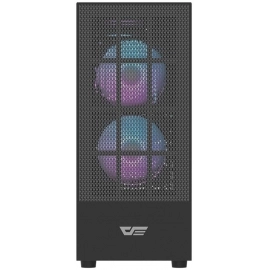
Κωδικός: 759718
Διαθεσιμότητα: Σε απόθεμα
Darkflash A290 θήκη υπολογιστή (μαύρη) + 3 ανεμιστήρες A290
36.80 €

Κωδικός: 713241
Διαθεσιμότητα: 4-6 ημέρες
Darkflash Μονάδα ελέγχου ανεμιστήρα RC2 RGB PWM (Μαύρο) RC2
12.26 €

Κωδικός: 854045
Διαθεσιμότητα: 4-6 ημέρες
Darkflash A290 θήκη υπολογιστή (λευκή) A290 WHITE WITHOUT F
23.98 €
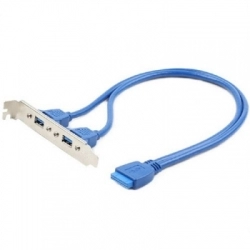
Κωδικός: 147844
Διαθεσιμότητα: 1-3 ημέρες
CABLEXPERT DUAL USB 3.0 RECEPTACLE ON BRACKET CC-USB3-RECEPTACLE
6.41 €

Κωδικός: 868997
Διαθεσιμότητα: 4-6 ημέρες
Darkflash A290 θήκη υπολογιστή (μαύρη) A290 BLACK WITHOUT F
26.76 €

Κωδικός: 972624
Διαθεσιμότητα: 1-3 ημέρες
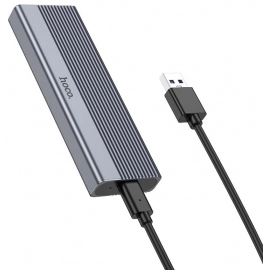
HOCO HB47 M.2 SATA SSD ΘΗΚΗ ΓΙΑ ΣΚΛΗΡΟ ΔΙΣΚΟ, USB3.1, ΓΚΡΙ.
7.73 €