
- ΕΞΥΠΗΡΕΤΗΣΗ ΠΕΛΑΤΩΝ : 2299310250 - 210 325 0731
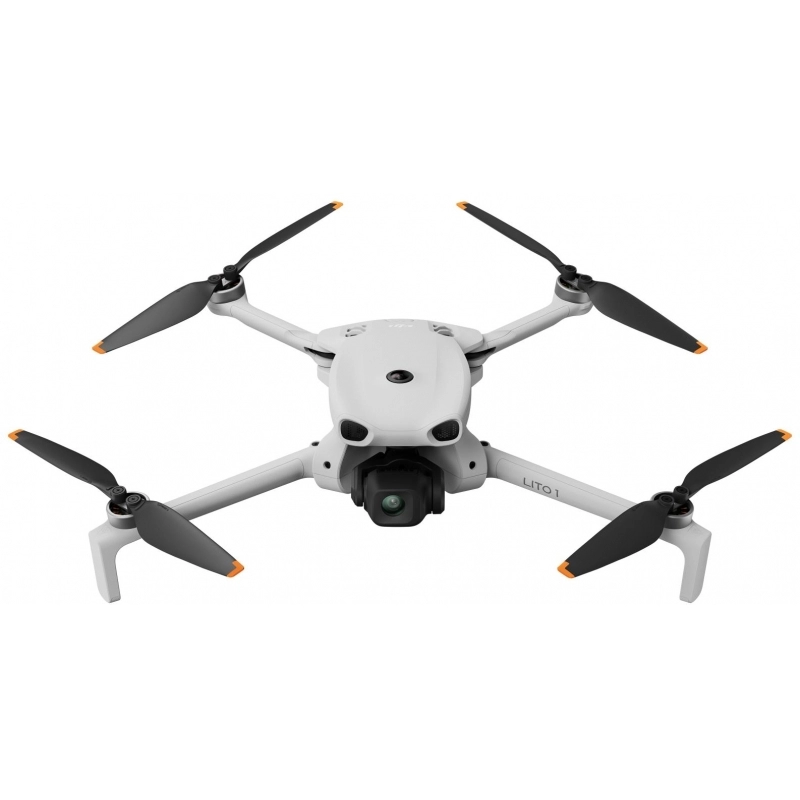
Drone DJI Lito 1 CP.MA.00000990
Κωδικός: 1163274
Διαθεσιμότητα: 4-6 ημέρες
419.58 €
Summary
DJI Lito 1. Number of rotors: 4 rotors. Megapixel (approx.): 48 MP, Maximum video resolution: 3840 x 2160 pixels. Maximum operating distance: 20000 m. Moving control functions: Backward, Lateral, Upward, Downward, Forward. Battery technology: Lithium-Ion (Li-Ion), Battery capacity: 2590 mAh. Compatible memory cards: MicroSDXC. Wi-Fi, Wi-Fi standards: Wi-Fi 6 (802.11ax), 802.11a, 802.11b, 802.11g, Wi-Fi 4 (802.11n), Wi-Fi 5 (802.11ac), Bluetooth, Bluetooth version: 5.4. Product colour: Grey
Specification
Design
| Easy to use | Yes |
| Foldable | Yes |
| Product colour | Grey |
| Type | Quadcopter |
Features
| Bluetooth | Yes |
| Bluetooth version | 5.4 |
| GPS (satellite) | Yes |
| Maximum ascent speed | 7 m/s |
| Maximum descent speed | 7 m/s |
| Maximum flight altitude | 4500 m |
| Maximum flight time | 36 min |
| Maximum operating distance | 20000 m |
| Maximum pitch angular velocity | 35 °/sec |
| Maximum wind resistance | 10.7 m/s |
| Number of propeller blades | 2 |
| Number of rotors | 4 rotors |
| Wi-Fi | Yes |
| Wi-Fi standards | Wi-Fi 6 (802.11ax), 802.11a, 802.11b, 802.11g, Wi-Fi 4 (802.11n), Wi-Fi 5 (802.11ac) |
Camera
| Bitrate at maximum video resolution | 130 Mbit/s |
| Camera shutter speed | 1/8000-2 s |
| Field of view (FOV) angle | 79° |
| Image formats supported | JPEG, Raw |
| Lowest latency | 120 ms |
| Maximum aperture number | 1.8 |
| Maximum control speed (tilt) | 100 °/sec |
| Maximum frame rate | 60 fps |
| Maximum video resolution | 3840 x 2160 pixels |
| Mechanical pan range | -30 - 30° |
| Mechanical roll range | -49 - 49° |
| Mechanical tilt range | -126 - 67° |
| Megapixel (approx.) | 48 MP |
| Optical sensor size | 25.4 / 2 mm (1 / 2") |
| Sensor type | CMOS |
| Video formats supported | MP4, MPEG4, AVC, H.264, HEVC/H.265 |
| Video resolutions | 1920 x 1080,3840 x 2160 pixels |
Memory
| Compatible memory cards | MicroSDXC |
| Maximum memory card size | 1 TB |
| Memory card slot(s) | Yes |
Management features
| Moving control functions | Backward, Lateral, Upward, Downward, Forward |
Battery
| Battery capacity | 2590 mAh |
| Battery capacity | 18.96 Wh |
| Battery operated | Yes |
| Battery technology | Lithium-Ion (Li-Ion) |
| Battery voltage | 7.32 V |
Operational conditions
| Operating temperature (T-T) | 0 - 40 °C |
General
| Model name | Lito 1 |
| Unit Box Width | 0.17 |
| Unit Box Length | 0.13 |
| Unit Box Height | 0.13 |
| Category Code | DRO |
| Vendor Homepage | https://www.dji.com/uk |
| Description |
The omnidirectional vision system only assists flight safety under certain conditions and is not a substitute for your own judgment and control. During a flight, always pay attention to the surrounding environment and the warnings on the DJI Fly app, and be responsible for and maintain control of the drone at all times. When GNSS signals are unavailable, the optimal positioning altitude range for using the vision positioning system is 0.5 to 30 m. The vision positioning performance may decrease when flying beyond this range. Fly with caution. The vision system may not function properly when the drone is flying over water, which may prevent it from actively avoiding water surfaces below when landing. Operators should maintain control of the drone at all times, make operational decisions based on an assessment of the surrounding environment, and avoid relying solely on the vision system. The vision system cannot detect certain objects or surfaces, including large structures with frames and cables (e.g., tower cranes, high-voltage transmission towers, high-voltage transmission lines, cable-stayed bridges); surfaces with no texture or sparse texture; surfaces with repetitive identical patterns or textures (e.g., small tiles of the same color); solid-colored surfaces (e.g., pure black, pure white, pure red, pure green); strongly reflective or mirrored surfaces (e.g., ice, road signs); water or transparent surfaces; surfaces of moving objects (e.g., above moving crowds, above waving shrubs or grass); moving obstacles (e.g., walking people, moving vehicles); scenes with drastic lighting changes; surfaces that are extremely dark (e.g., less than 1 lux) or extremely bright (e.g., more than 100,000 lux); materials with strong infrared absorption or reflection properties (e.g., mirrors, glass, road signs, asphalt); small obstacles (e.g., fences, branches, power lines); and thin poles or small vertical objects (e.g., utility poles, street lamps). Do not obstruct or interfere with the sensing system under any circumstances. Ensure that all lenses remain clear, free from dirt, smudges, or other contaminants, and are not scratched. Vision system cameras may need to be calibrated after being stored for an extended period. A prompt will appear in the DJI Fly app and calibration will be performed automatically. Do not fly when it is rainy, smoggy, or the visibility is lower than 100 m. Before takeoff, inspect the sensing system's glass surfaces. Remove any protective film, stickers, or other obstructions. If water droplets, fingerprints, or smudges are present, clean the glass using a lint-free cloth. Do not use alcohol or other organic solvents. If the glass surface is loose, broken, scratched, or worn, send the drone to an authorized service center for repair. Refer to the product's user manual for more details. |
| Units per Pallet | 0 |
| Units per Shipping Box | 4 |
| Unit Calculated Volume | 0.005594 cubm |
| Unit Calculated Weight | 0.952 kg |
Other features
| Built-in camera | Yes |
Supplier features
| Antennas quantity | 2 |
Weight & dimensions
| Depth | 183 mm |
| Height | 79 mm |
| Weight | 249 g |
| Width | 251 mm |
Packaging content
| Cables included | RC |
| Gimbal protector | Yes |
| Remote control included | Yes |
| Screwdriver included | Yes |
Drone DJI Lito 1 CP.MA.00000990
drone, DJI, Lito 1, CP.MA.00000990, αεροφωτογράφιση, τεχνολογία, φορητότητα
DJI Lito 1 Drone CP.MA.00000990
drone, DJI, Lito 1, CP.MA.00000990, aerial photography, technology, portability
ΣΧΕΤΙΚΑ ΕΙΔΗ

Κωδικός: 713663
Διαθεσιμότητα: Σε απόθεμα
Leather Lanyard Sunnylife for DJI Smart Controller / RC PRO / RC (GS394) GS394
9.50 €

Κωδικός: 759466
Διαθεσιμότητα: Σε απόθεμα
Tempered Glass Film Sunnylife for DJI RC controller 2pcs (MM3-GHM388) MM3-GHM388
4.92 €
Κωδικός: 715769
Διαθεσιμότητα: Σε απόθεμα
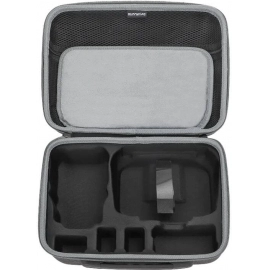
Combo bag Sunnylife for DJI Mini 4 Pro (N4P-B698) N4P-B698
23.98 €

Κωδικός: 759461
Διαθεσιμότητα: Σε απόθεμα
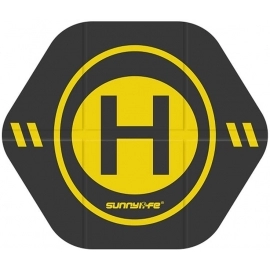
Landing pad for drones Sunnylife 55cm hexagon (TY-TJP08) TY-TJP08
16.95 €

Κωδικός: 832174
Διαθεσιμότητα: 4-6 ημέρες
Silicone Protective Case PULUZ for DJI RC 2 (grey) PU888H
5.72 €
Κωδικός: 713665
Διαθεσιμότητα: 4-6 ημέρες
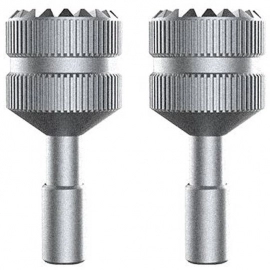
Alu Controller Stickers Sunnylife for DJI RC / DJI RC 2 / DJI RC PRO 2 MM3-YG393 (silver) MM3-YG393
5.21 €

Κωδικός: 1092726
Διαθεσιμότητα: Σε απόθεμα
Tattu R-Line Wersja 5.0 850 mAh 14,8 V 4S1P 150C XT30U-F TAA8504S15X3
20.90 €